The Desert Run Map
- 16-10-2025, 19:24
- 643
The Desert Run Map turns the hottest biome into a tight survival course with a single, vicious twist: the sand itself is trouble. Every stretch tempts you with an easy line straight across the grains, then punishes anyone who forgets the rule. You’ll thread along ledges, hop broken walls, cut across ribs of petrified terrain, and gamble on sketchy gaps because touching the wrong surface means pain, resets, and that familiar “okay, one more try� mantra. It’s stripped-down design that hits hard—no gimmicks, just pure route reading and footwork under pressure.
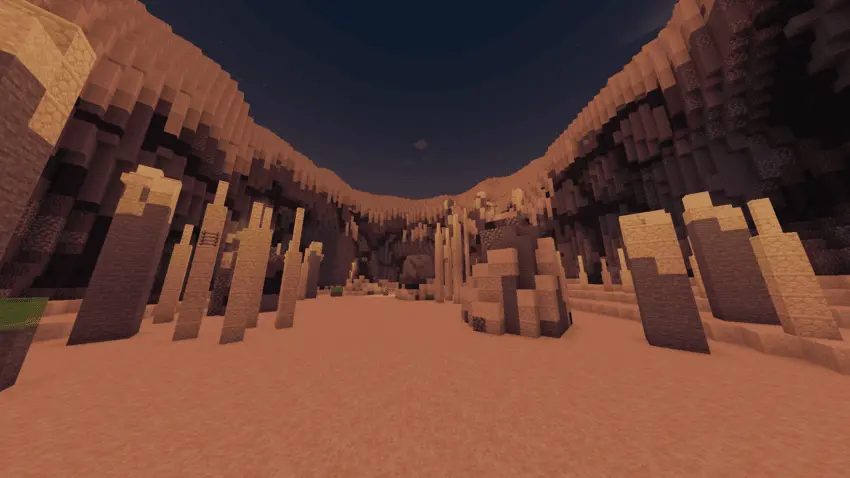
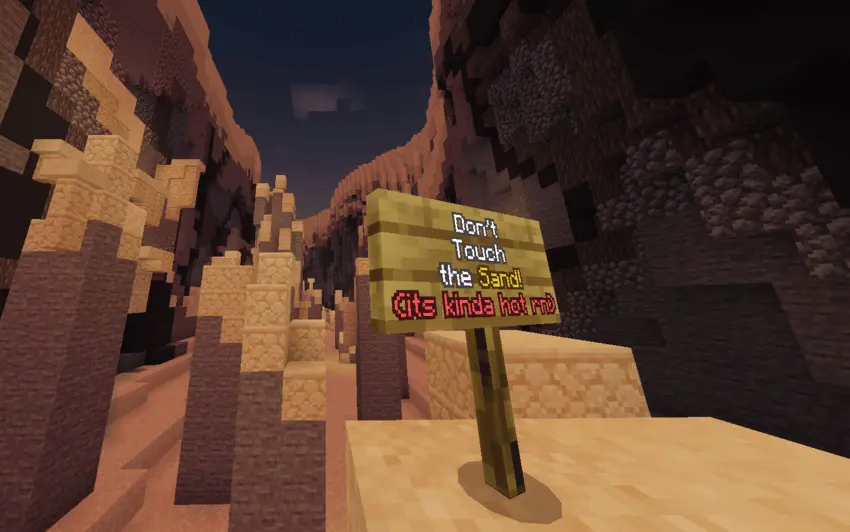
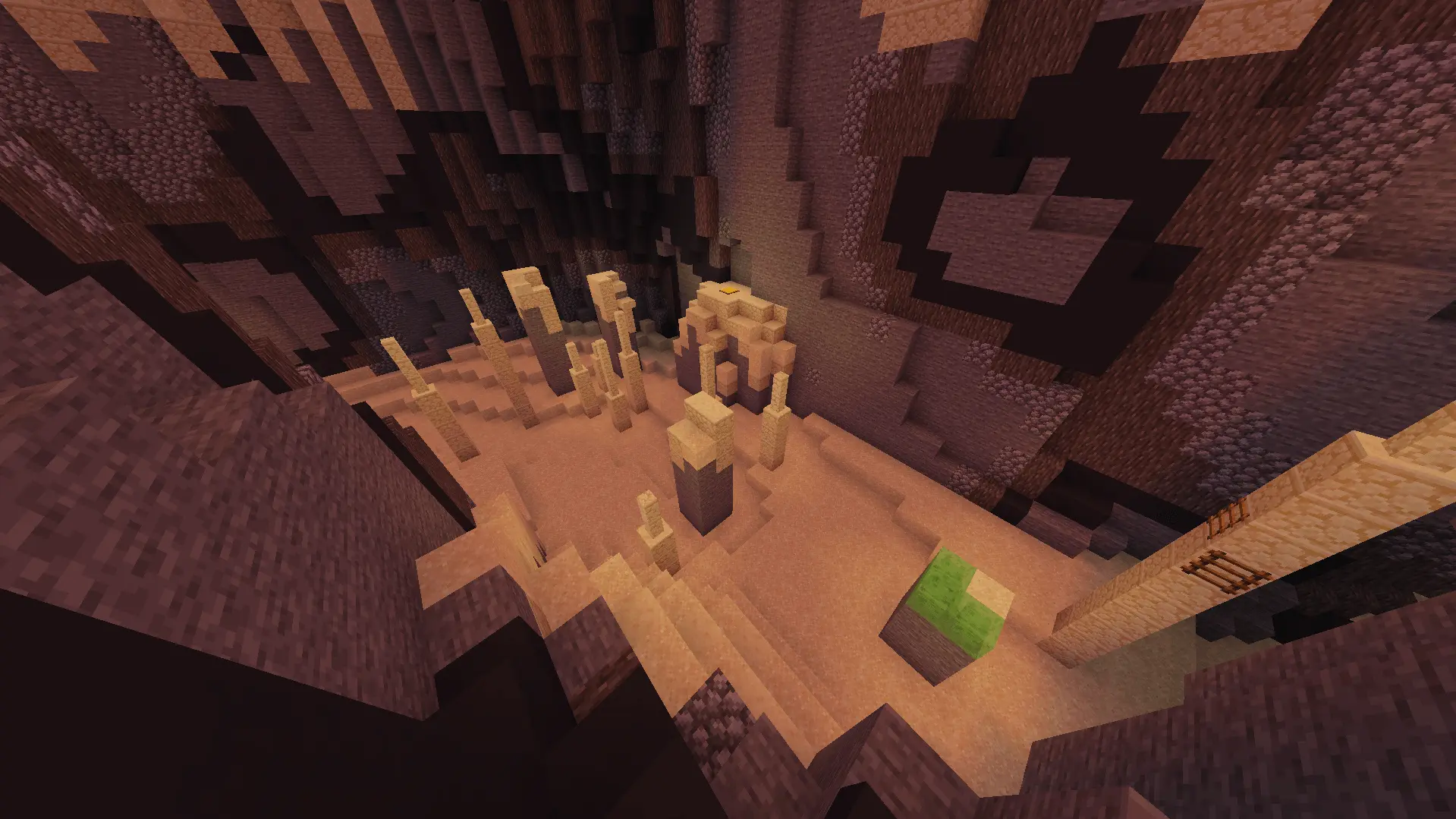
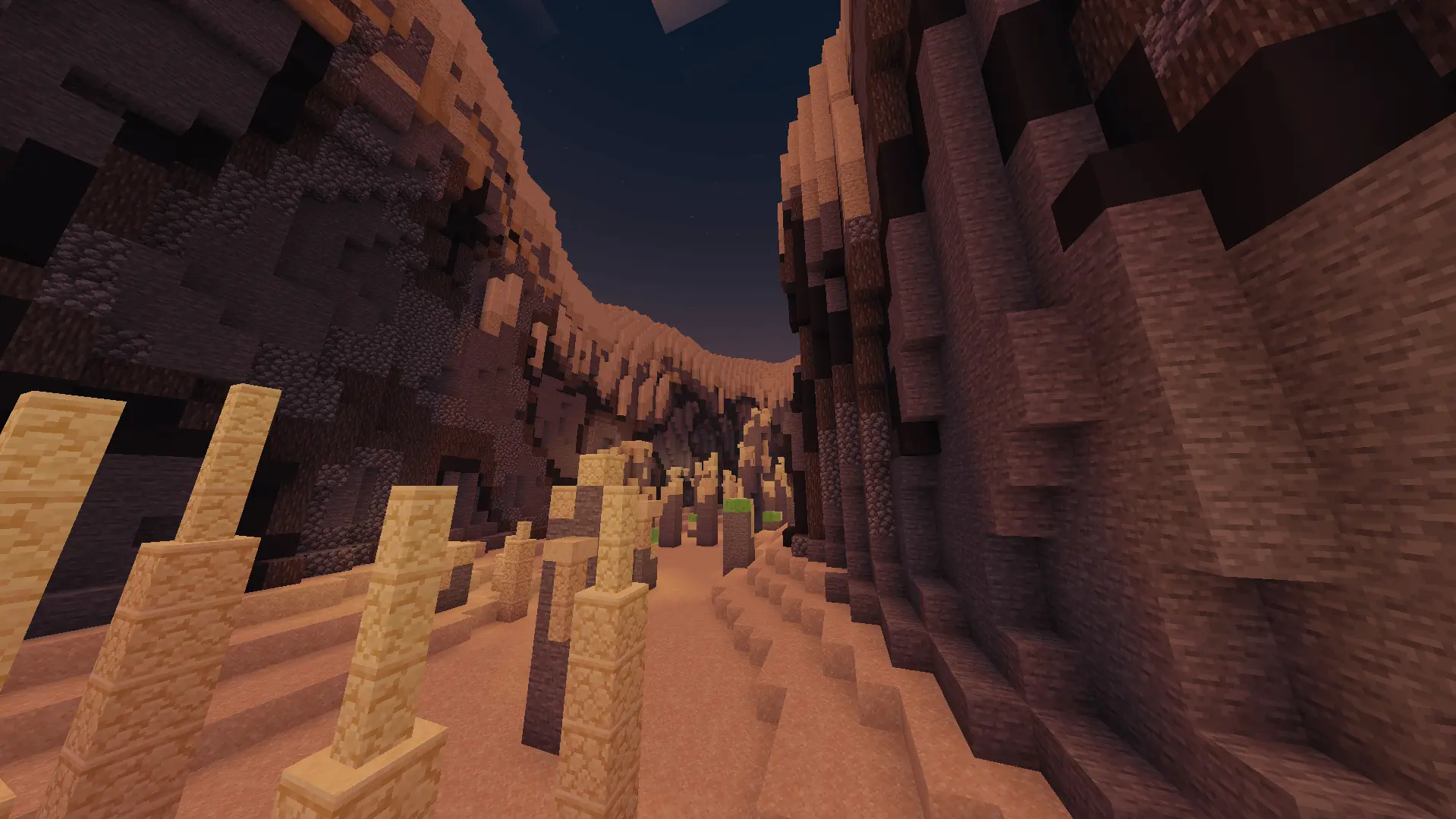
In most Minecraft deserts, the sand is the easy part. In The Desert Run, one bad landing can burn through your health and send you back for another attempt.
This Bedrock parkour map gives you a simple rule: keep off the dangerous sand and make your way across the course. That sounds manageable until the safe route narrows and you have to judge the next jump while keeping your footing. You’ll move across ledges and other solid surfaces, looking ahead for a place to land before committing to the next gap. The desert setting makes the hazard easy to understand, but it also means you need to pay attention to the blocks under your feet. A surface that looks like part of the scenery may be the place you need to reach; the sand around it is where you don’t want to linger. On your first run, take a moment to study each section. Find a landing spot, line yourself up, and work out where you’ll go after you touch down. Speed can come later.
The challenge is as much about controlling your movement as it is about making big jumps. Sprint too early and you may overshoot a narrow ledge; hesitate at the wrong moment and you might slip onto the sand. For a difficult gap, give yourself enough room to start moving and aim for the middle of the landing whenever possible. On smaller platforms, slow down and reposition before trying the next jump. If your controls feel awkward, adjust your sensitivity or field of view until you can judge the edges comfortably. Touchscreen players might want to practice a few jumps before attempting a fast run, especially where a change in direction follows a landing. Falling isn’t the end of the fun, either. Each mistake tells you something about the route: maybe you jumped too soon, aimed too far left, or picked a landing that was harder to reach than the one beside it.
The Desert Run works well as a personal challenge, but it can be just as entertaining with friends. Take turns calling out your route, compare how many attempts it takes to finish, or race after everyone has had a chance to learn the course. If someone keeps missing the same jump, watch their approach and see whether a different angle helps. For a solo replay, set yourself a goal: finish with fewer deaths, clear a section without touching sand, or try for a clean run from beginning to end. The map’s appeal comes from that familiar parkour feeling when a sequence that seemed impossible starts to click. You remember where to stand, make the first jump, land the second, and suddenly you’re farther along than you were before. Keep your eyes on the route, trust your footing, and give that last awkward gap another shot.
The run teaches you a new desert language. Stone? Trust it. Narrow lips on carved blocks? Use them. Fences and rails? They’re lifelines when a jump runs long. You’ll start to plan three moves ahead: plant on a slab, swing left along a jut of sandstone, then punch a clean diagonal to a safe perch while a whole sheet of sand dares you to slip. Miss once, you learn; miss twice, you breathe, reset, and clean the sequence with calmer hands. The map keeps mixing rhythms—short pop jumps, balance segments, then one confidence leap that decides the room.
Solo, it’s a personal best hunt: map anchor points, count your steps out loud, and try a full deathless clear. With friends, call it out like a rally stage—“two hops to the pillar, hard right, don’t touch the drift�—and race resets until someone nails a perfect line. No busy UI, no shortcuts, just you versus a rule that never changes. If you want a course that’s easy to understand and brutal to master, The Desert Run Map will burn that lesson in fast: the sand is there to beat you—prove it wrong.
How to install?
Android: you need to find the downloaded file on your phone, use any file manager for this and import the map into the game by opening it.
IOS: after receiving the map, the device itself will offer to install it.
Windows 10: go to the folder where the files are downloaded, find mcworld there and activate it.
Comments (0)